

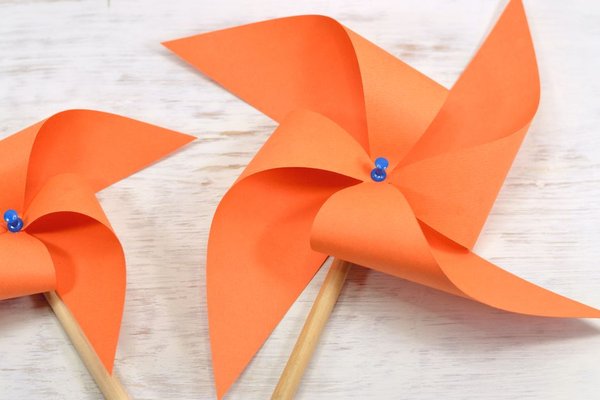
Origami for kids is one of those rare activities that feels like play while quietly building useful skills. With a square of paper, children can practise careful hand movements, follow a sequence, solve small problems, and enjoy turning a flat sheet into something recognisable. It is also screen-free, inexpensive, and easy to use at home or in the classroom.
The best projects for young folders are not always the most impressive. Simple designs with clear folds help children succeed without becoming frustrated. As confidence grows, they can move from basic faces and boats to easy origami animals and more detailed models. The 15 ideas below are playful, approachable, and well suited to developing fine motor coordination.
Why paper folding supports fine motor development
Origami asks both hands to work together. One hand holds the paper steady while the other folds, presses, turns, or lines up corners. These controlled movements strengthen the small muscles used for handwriting, fastening buttons, using scissors, and handling everyday objects.
Paper folding also encourages visual tracking and spatial awareness. Children learn what happens when a triangle is opened, a corner is reversed, or a model is rotated. Because each step affects the next, origami for children naturally builds patience, focus, and the habit of checking work before moving forward.
Getting ready for a successful origami session
Start with lightweight paper that creases easily. Purpose-made origami paper is convenient, but printer paper cut into squares also works. Larger squares are usually easier for small hands, especially when a design includes several folds.
Demonstrate one step at a time and place your paper in the same direction as the child’s. Avoid correcting every imperfect edge. The goal is confident practice, not professional precision. For classroom origami, complete one sample in advance and keep spare sheets ready so children can restart without feeling they have failed.
15 fun origami projects for kids
1. A cheerful dog face
A dog face is an ideal first project. Children fold a square into a triangle, turn down two corners for ears, and add a nose and eyes. Drawing the expression gives every dog its own personality.
2. A simple cat face
The cat face uses similar skills but changes the direction of the ear folds. This small variation shows how fold placement changes the result. Whiskers, stripes, and colourful eyes can be added at the end.
3. A classic paper boat
Paper boats introduce symmetry and repeated creasing. After folding, children can test them in a bowl of water with adult supervision, then compare which shapes float longest.
4. A jumping frog
A jumping frog adds movement to the activity. Pressing and releasing the folded back develops finger control, while experimenting with different paper sizes turns the project into a simple game.
5. A friendly fish
A basic fish is quick to make and easy to decorate with scales, bubbles, or underwater patterns. Several finished fish can become a wall display, making this one of the most adaptable kids paper crafts for a group.
6. A fluttering butterfly
Butterflies are excellent for practising matching edges and creating balanced wings. Once children understand the shape, they can use different paper sizes to create a colourful family.
7. A tiny ladybird
A ladybird gives children practice folding corners inward to soften a square shape. Black spots can be drawn on afterwards. It pairs well with lessons about insects, gardens, or spring.
8. A wise owl
An easy owl combines simple folds with room for creative details. Children can draw large eyes, feathers, and a beak. It is a good next step after basic animal faces.
9. A cute rabbit
Long folded ears make a rabbit instantly recognisable. Children can vary the ear angles and facial expressions, reinforcing the idea that small changes can alter a finished model.
10. A paper fox
A fox face uses sharp triangular folds that reward careful corner matching. Among easy origami animals, it looks impressive without demanding too many complicated steps.
11. A colourful tulip
A tulip often involves folding the flower and stem separately, giving children two short tasks instead of one long one. Several flowers can become a card, display, or paper bouquet.
12. A heart
An origami heart is simple, personal, and useful for cards or small gifts. Children can write a message on the finished shape for a friend, teacher, or family member.
13. A bookmark corner
A corner bookmark is both a craft and a practical object. Once the pocket is formed, children can turn it into a monster, bear, dinosaur, or favourite character.
14. A fortune teller
The traditional paper fortune teller requires several accurate folds and rewards children with an interactive toy. Adding colours, numbers, questions, or challenges can bring literacy and numeracy into classroom origami.
15. A simple paper crane
A beginner-friendly crane is best for children already comfortable with several steps. It may require adult help, but completing it can be a powerful confidence boost.
How to keep children interested
Let children choose projects that match their interests. An animal lover may happily fold several creatures, while a keen reader may prefer bookmarks. Short sessions are often better than pushing through frustration; ten focused minutes may be enough for younger children.
It also helps to display or use the finished models. Hang butterflies from string, create an aquarium with folded fish, race paper frogs, or turn animal faces into cards. When the result has a purpose, children are more likely to return to paper folding.
Frequently asked questions
What age is suitable for origami for kids?
Many children can try very simple folds from around age four or five with adult guidance. Independent folding varies, so choose projects according to attention span and hand control rather than age alone.
Does origami need special paper?
No. Origami paper is thin, colourful, and already square, but printer paper, wrapping paper, magazine pages, and other lightweight paper can work when cut into even squares.
How can teachers use origami in the classroom?
Teachers can connect origami to geometry, storytelling, animals, seasons, or cultural learning. Clear demonstrations, large paper, and one completed example help group sessions run smoothly.
What should I do if a child becomes frustrated?
Pause, simplify the project, or complete the next fold together. Praise careful effort rather than perfect results. Returning to an easier design can rebuild confidence before trying again.
A small sheet of paper with big benefits
Origami for kids combines creativity, concentration, and hands-on learning in a wonderfully simple format. Each fold gives children another chance to coordinate their fingers, follow directions, and solve a manageable challenge. Start with an easy face or boat, celebrate imperfect results, and gradually introduce more detailed projects. Over time, those small paper creations can build stronger hands, greater patience, and genuine pride in learning a new skill.