

Why Yarn Choice Matters More Than You Think
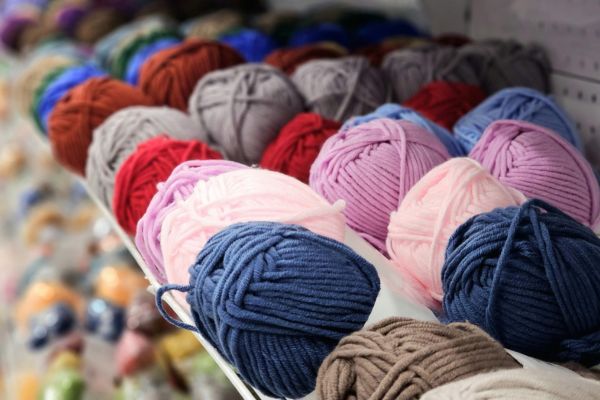
Starting knitting or crochet can feel wonderfully simple at first. You choose a pattern, pick up needles or a hook, and imagine a soft scarf, a cozy blanket, or maybe a small handmade gift taking shape in your hands. Then you walk into a craft aisle or browse yarn online, and suddenly there are more choices than expected. Cotton, acrylic, wool, chunky, fine, fuzzy, smooth, twisted, shiny, hand-dyed. It can be a little much.
That is why choosing the best yarn for beginners matters. The right yarn makes learning easier because you can see your stitches clearly, control your tension better, and fix mistakes without feeling like the whole project is falling apart. The wrong yarn, even if it looks beautiful, can make a simple row feel frustrating.
Beginners do not need the fanciest yarn. In fact, simple yarn is often the best teacher. It lets your hands learn the rhythm of the craft without distractions. Once the basic movements become familiar, experimenting with different fibers and textures becomes much more enjoyable.
Start With a Smooth Medium-Weight Yarn
For most new knitters and crocheters, medium-weight yarn is the easiest place to begin. It is often labeled as worsted weight, aran weight, or medium weight, depending on the brand and region. This type of yarn is thick enough to handle comfortably but not so bulky that the stitches become awkward.
Smooth yarn is also important. A clean, even strand makes it easier to see where each stitch begins and ends. When you are learning, visibility is everything. You need to recognize to loops, count stitches, and notice when something looks off. A fuzzy or textured yarn can hide mistakes, which sounds helpful at first, but it usually makes correcting them harder.
Medium-weight yarn works well for beginner scarves, dishcloths, simple hats, small blankets, and practice swatches. It gives quick enough progress to keep you motivated, while still giving your hands time to understand the motions.
Acrylic Yarn Is Friendly and Forgiving
Acrylic is often one of the most beginner-friendly yarn fibers. It is widely available, affordable available, easy to wash, and usually comes in many colors. More importantly, it tends to be forgiving. If you need to pull back a few rows and try again, acrylic yarn usually holds up well without becoming too delicate or messy delicate.
For someone learning basic knitting or crochet stitches, acrylic can be a practical choice. It does not require special care, and it is light enough for everyday projects. Many beginners use acrylic yarn for scarves, blankets, toys, and practice pieces because it removes some of the pressure from the learning process.
The feel of acrylic can vary quite a bit. Some versions are soft and pleasant, while others may feel slightly rough or squeaky on the needles or hook. It helps to touch the yarn before buying when possible. If it feels comfortable in your hand, it will probably be easier to work with for longer periods.
Wool Can Be Wonderful for Learning
Wool is another strong choice, especially for knitting. It has a natural elasticity that helps stitches settle into place. This stretch can make tension feel easier to manage because the yarn has a bit of bounce. For beginners who find their stitches too tight or uneven, wool can sometimes feel more cooperative than plant-based fibers.
The downside is that wool needs a little more care. Some wool yarns must be hand washed, while others are treated to be machine washable. Wool can also feel itchy to some people, depending on the type and quality. Still, for practice and simple wearable projects, a smooth wool or wool blend can be a beautiful learning material.
Wool is especially nice for hats, warm scarves, mittens, and winter accessories. It gives structure without being stiff, and it often makes even simple stitches look rich and full.
Cotton Is Useful but Less Forgiving
Cotton yarn has a clean, crisp feel and is excellent for certain projects, especially dishcloths, market bags, summer tops, and home items. It is strong, washable, and breathable. For crochet beginners, cotton can be quite useful because it gives good stitch definition, meaning each stitch stands out clearly.
However, cotton has very little stretch. That can make it harder for beginners who are still learning tension. If you pull too tightly, the stitches may become difficult to work into. If your tension changes from row to row, cotton may show it more clearly than acrylic or wool.
This does not mean beginners should avoid cotton completely. It simply means cotton may be better for small projects where firmness is useful. A simple crochet dishcloth, for example, can be a great first cotton project because it does not need to fit the body or drape perfectly.
Avoid Fuzzy and Novelty Yarn at First
Some yarns are tempting because they look dramatic on the shelf. Eyelash yarn, chenille, boucle, faux fur, and heavily textured novelty yarns can be beautiful, but they are usually not ideal for a first project. They hide stitches, split easily, or make it hard to see where your hook or needle should go next.
Fuzzy yarn can also make mistakes difficult to undo. When fibers cling together, pulling back stitches may become slow and annoying. For a beginner, that can turn a small mistake into a discouraging moment.
There will be plenty of time for textured yarn later. Once you can recognize stitch shapes by feel as well as sight, novelty yarn becomes less intimidating. In the beginning, though, smooth and simple yarn is your best friend.
Choose Light or Medium Colors
Color affects learning more than many people expect. Dark yarns can be hard to see, especially black, navy, deep brown, and dark green. If you are working in low light, the stitches can blend together, making it difficult to count rows or find the right loop.
Very bright or highly variegated yarns can also be distracting. They may look fun, but strong color changes can make stitch structure harder to read. For a first project, light or medium colors usually work best. Soft gray, cream, light blue, sage, lavender, dusty pink, or warm beige can all make stitches easier to see.
Once you feel more confident, color becomes part of the fun. But at the learning stage, clear visibility is more useful than dramatic color effects.
Check the Yarn Label Before You Start
Yarn labels carry useful information, even if they seem confusing at first. They usually tell you the fiber content, weight category, recommended needle or hook size, yardage, and washing instructions. These details help you match yarn to a project more confidently.
For beginners, the most important things to check are yarn weight and suggested tool size. If a pattern asks for medium-weight yarn and a 5 mm hook or needle, choosing something close to that recommendation will make the project easier to follow. Using very different yarn can change the size, texture, and shape of the finished item.
Care instructions also matter. If you are making a baby blanket, kitchen cloth, or everyday scarf, washable yarn is usually practical. A beautiful yarn that requires delicate care may not be ideal for a first project that will go through plenty of trial and correction.
Think About the First Project
The best yarn for beginners also depends on what you plan to make. A scarf can work well with acrylic, wool, or a soft blend because fit is not too strict. A dishcloth is better with cotton because it needs to absorb water and hold its shape. A blanket may be easier with acrylic because it is washable and budget-friendly for a larger project.
Small projects are often better than huge ones at the start. A large blanket sounds cozy, but it can take a long time, and repetition may become tiring before your skills feel steady. A small square, simple scarf, coaster, or basic hat gives you a clearer finish line.
It is also wise to avoid very thin yarn for early projects. Fine yarn can produce lovely results, but it takes longer to work up and can make stitch counting harder. Medium-weight yarn gives beginners a better balance of visibility, comfort, and progress.
Natural Blends Can Offer the Best of Both Worlds
Yarn blends can be excellent for beginners because they combine qualities from different fibers. Acrylic-wool blends, for example, may offer softness, stretch, warmth, and easier care. Cotton-acrylic blends can feel lighter and more flexible than pure cotton. Bamboo blends can add drape and smoothness, though they may be slipperier than ideal for a first attempt.
Blends are useful when you want a yarn that is comfortable but not too delicate. They can also make projects easier to wash and wear. The main thing is to choose a blend that still has a smooth texture and medium weight. A simple blended yarn can be just as beginner-friendly as pure acrylic or wool.
Comfort in Your Hands Matters
Yarn is not only something you look at. It is something you hold for hours. If a yarn feels scratchy, slippery, stiff, or unpleasant, you may not enjoy the process, even if the finished result looks fine. Beginners should choose yarn that feels comfortable between the fingers.
The way yarn moves on the hook or needles matters too. Some yarn glides smoothly, while some catches or splits. Splitting happens when the hook or needle separates the strands instead of entering the stitch cleanly. A tightly twisted yarn can help reduce this problem and make learning easier.
There is no shame in testing a few yarns before settling on a favorite. Every maker develops preferences over time. Some people love the bounce of wool. Others prefer the easy care of acrylic or the crisp feel of cotton. Your hands will teach you what they like.
Conclusion
Choosing the best yarn for beginners is less about finding the most expensive or impressive option and more about making the learning process smoother. A medium-weight, light-colored, smooth yarn is usually the easiest place to start. Acrylic is practical and forgiving, wool has lovely bounce, and cotton is useful for simple home projects, though it can be less flexible.
The first yarn you choose does not have to be perfect. It only needs to help you practice, notice your stitches, and keep going when the rows are not quite even yet. Knitting and crochet are learned one loop at a time, and the right yarn makes those first loops feel a little less mysterious. With a simple skein and a bit of patience, the craft begins to feel less like a puzzle and more like a quiet rhythm in your hands.