

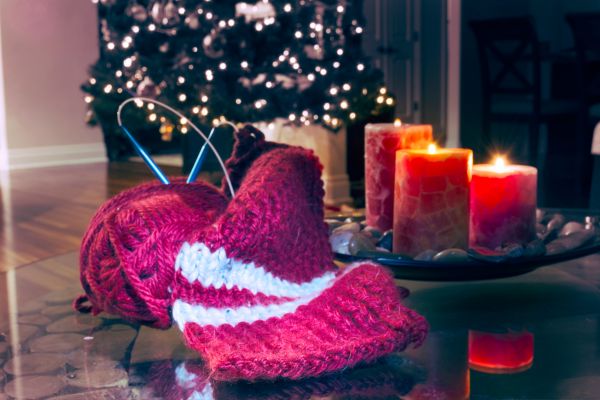
Knitting has a rhythm that feels naturally connected to the changing year. In winter, heavy yarn and thick needles seem almost inevitable. By spring, lighter fibers and softer colors begin to feel more appealing. Summer encourages smaller, portable projects, while autumn brings texture, layering, and the familiar urge to make something warm before the colder months arrive.
That is the charm of seasonal knitting projects. They allow knitters to match their materials, colors, and patterns to the mood of the moment. A project can be practical, decorative, or simply enjoyable to work on during a particular time of year. The season becomes part of the creative process, shaping not only what is made but also how it feels to make it.
Why Knitting Changes with the Seasons
The physical experience of knitting matters more than people sometimes realize. Holding a lap full of heavy wool in July can feel uncomfortable, while working with fine cotton on a cold December evening may not offer the same sense of comfort as a thick scarf or blanket.
Seasonal choices make knitting more enjoyable. They also help projects feel useful when they are finished. A lightweight wrap completed in spring can be worn during cool evenings. A pair of mittens started in early autumn may be ready just as the first frosty mornings arrive.
Color also shifts with the year. Winter often brings deep neutrals, rich jewel tones, and snowy whites. Spring feels suited to gentle greens, pale pinks, and fresh blues. Summer opens the door to bright, playful colors, while autumn seems made for rust, mustard, forest green, and warm brown.
None of these choices are strict rules, of course. Knitting is personal. Still, paying attention to the season can make the entire process feel more connected and satisfying.
Winter Projects Made for Warmth
Winter is the season most closely associated with knitting, and for good reason. Cold weather gives practical purpose to thick yarn, dense stitches, and generously sized projects.
Scarves are an obvious starting point, but they do not have to be basic. Ribbing, cables, seed stitch, or simple color changes can turn an everyday scarf into something distinctive. Cowls are another good option, especially for knitters who want a quicker project without the long rows of a traditional scarf.
Hats are equally useful. A close-fitting beanie can be knitted in a simple stockinette pattern, while a folded brim adds extra warmth around the ears. More experienced knitters may enjoy experimenting with stranded colorwork or textured motifs.
Winter is also ideal for blankets. A large blanket takes time, but that is part of its appeal. It becomes an evening project, growing gradually over many quiet sessions. Chunky yarn creates a bold, cozy look, while medium-weight wool allows for more detailed patterns without becoming too heavy.
Socks, mittens, and fingerless gloves also belong naturally to the colder months. These smaller seasonal knitting projects are practical, portable, and useful for learning shaping techniques.
Fresh Knitting Ideas for Spring
Spring knitting feels lighter in both color and construction. The weather is changing, but it is not always warm. That makes transitional pieces especially useful.
A lightweight cardigan can be worn over dresses, shirts, or simple tops when mornings are cool. Cotton blends, bamboo yarn, and fine merino wool work well because they provide comfort without too much bulk.
Spring is also a lovely time for shawls. An openwork shawl can add warmth without feeling heavy, and lace patterns often suit the softer mood of the season. Even a simple triangular shawl can look delicate when made with a fine yarn in a fresh shade.
Baby items are another popular spring choice. Small cardigans, blankets, booties, and bonnets are manageable projects that allow knitters to play with gentle colors and soft textures. They are also useful for using smaller amounts of yarn.
Home accessories can reflect the season too. Knitted cushion covers in pale shades, lightweight table runners, and small decorative baskets can give a room a subtle seasonal update. These projects are often quicker than garments and offer an easy way to experiment with unfamiliar stitch patterns.
Summer Projects That Stay Light and Portable
Knitting does not need to disappear when the temperature rises. The key is choosing projects that are comfortable to hold and easy to carry.
Summer tops are a natural option. Sleeveless designs, loose-fitting tees, and simple tanks can be made with breathable fibers such as cotton, linen, bamboo, or lightweight blends. These yarns behave differently from wool, often creating more drape and less elasticity, so it helps to knit a generous swatch before beginning.
Market bags are another satisfying summer project. They are useful, relatively quick, and well suited to open stitch patterns. Cotton yarn is often a practical choice because it is strong and washable.
Small accessories also work well in warm weather. Headbands, bandanas, lightweight socks, phone pouches, and drink holders can be completed without covering the lap in heavy fabric. They are particularly convenient for holidays, road trips, or relaxed afternoons outdoors.
Summer is also a good time to prepare small gifts. Knitted washcloths, coasters, face cloths, and reusable cleaning pads are simple but useful. They can be made from leftover cotton yarn and finished in a single sitting.
The slower pace of summer often suits uncomplicated knitting. A project does not need to be technically impressive to feel rewarding. Sometimes a small square of neat stitches is exactly enough.
Autumn Knitting and the Return of Texture
Autumn often brings renewed enthusiasm for yarn. The first cool evening seems to remind knitters of everything they wanted to make during the year.
This is the perfect season for textured garments. Pullovers with cables, moss stitch, twisted ribbing, or raised patterns feel especially appropriate. The fabric becomes part of the atmosphere, echoing the layered look of autumn clothing.
Vests are another useful choice. They provide warmth without the commitment of full sleeves and can be worn over shirts, dresses, or lightweight sweaters. A simple vest is also more manageable for knitters who are beginning to explore garment construction.
Autumn accessories can be prepared before winter fully arrives. Hats, scarves, leg warmers, and mittens are small enough to finish quickly, yet useful enough to make the effort worthwhile.
This is also a good season for decorative knitting. Small pumpkins, garlands, mug cozies, and table decorations can add warmth to the home without becoming overly elaborate. Using scraps in earthy tones makes these projects economical and gives leftover yarn a second life.
Autumn knitting tends to feel anticipatory. It is not only about the current weather. It is about preparing for what is coming.
Choosing the Right Yarn for the Time of Year
Yarn choice can determine whether a seasonal project feels enjoyable or awkward. Wool is warm, elastic, and forgiving, making it a strong choice for winter garments and accessories. Alpaca offers softness and warmth, though it can stretch if used in large pieces.
Cotton is cooler and more breathable, making it suitable for summer garments, dishcloths, and bags. Linen becomes softer with use and creates beautiful drape, although it can feel stiff while knitting. Bamboo is smooth and lightweight, but it may be slippery on certain needles.
Blended yarns often provide a useful balance. A cotton-and-wool blend can work well for spring, while a wool-and-acrylic mix may offer warmth with easier care.
The weight of the yarn matters too. Bulky yarn creates fast, warm projects, while fine yarn produces lighter fabrics and more delicate detail. Matching the yarn to both the project and the season helps prevent frustration later.
Planning Projects Before the Season Arrives
One of the easiest knitting mistakes is starting too late. A winter sweater begun in January may not be ready until spring. A summer top started in August might be finished just as temperatures begin to fall.
Planning ahead allows each project to be enjoyed at the right time. Winter knitting can begin in autumn, while spring garments can be started during the final weeks of winter. Summer accessories are ideal projects for early spring, and handmade gifts are far less stressful when started months before they are needed.
It also helps to consider the realistic pace of the project. A scarf may take a few evenings, while a fitted cardigan can require weeks or months. Choosing manageable seasonal knitting projects keeps the hobby relaxing rather than turning it into a race against the calendar.
Making Seasonal Knitting More Personal
Patterns provide structure, but personal choices give a project character. A familiar scarf pattern can feel completely different in a new color. A plain cardigan can be changed with wooden buttons, contrasting cuffs, or a slightly longer hem.
Seasonal inspiration can come from ordinary surroundings. Spring flowers might suggest a soft palette. A summer beach may inspire sandy neutrals and sea blues. Autumn leaves offer endless color combinations, while winter landscapes encourage clean textures and quiet shades.
The most memorable projects are not always the most complicated ones. They are often the pieces connected to a particular place, season, or feeling.
Knitting Through the Year
Seasonal knitting projects give each part of the year its own creative character. Winter invites warmth and substantial fabrics. Spring encourages light layers and delicate details. Summer favors portable pieces and breathable yarn, while autumn brings texture, preparation, and a return to cozy materials.
The seasons may guide the project, but they do not limit it. A knitter can work with any color, fiber, or pattern that feels right. The real value lies in noticing how the changing year affects the desire to create.
Knitting becomes more than a way to produce clothing or accessories. It becomes a quiet record of time passing, one row at a time.