

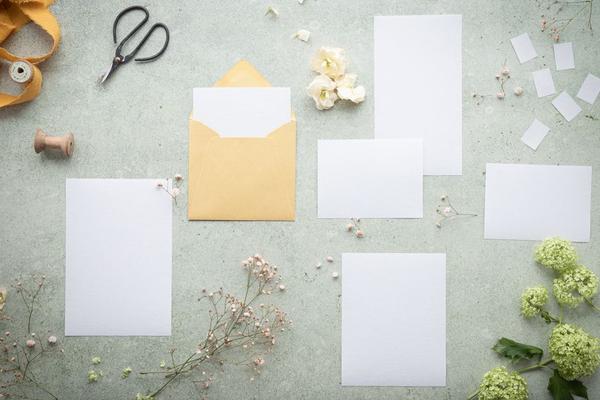
Wedding season can turn a simple card into a meaningful keepsake, especially when the design reflects the couple rather than relying on a generic message. The best handmade wedding card ideas do not require expensive tools or advanced skills. Thoughtful colours, tactile paper, careful lettering, and one memorable detail can create a card that feels personal and polished.
Before choosing a design, think about the couple’s style and wedding atmosphere. A rustic outdoor celebration may suit kraft card and pressed flowers, while a city wedding might inspire crisp lines, monochrome paper, or metallic accents. Matching the card to the occasion gives you direction without making it look like a copy of the invitation.
Start with the Couple, Not the Supplies
Stronger wedding card designs usually start with one question: what feels recognisably like this couple? Their venue, shared interests, wedding colours, cultural traditions, or sense of humour can shape the design.
Imagine friends getting married in a garden ceremony. Instead of using random floral stickers, paint a loose arch of greenery around their initials, add the wedding date, and repeat one flower from the bridal bouquet. That specific detail creates a stronger connection than a more elaborate but impersonal design.
Elegant Handmade Cards with Refined Details
Layered Ivory and Vellum
Layering is one of the easiest ways to make elegant handmade cards look professionally finished. Begin with a heavyweight ivory base, add a smaller panel in soft white or pale blush, and place a strip of translucent vellum across the centre. Add the couple’s names or a short congratulations message, leaving generous empty space so the design feels calm.
Metallic Accents Used Sparingly
Gold, silver, or rose-gold details instantly suggest celebration, but restraint matters. Try a narrow metallic border, a few embossed stars, or a hand-drawn line around the edge. One polished accent often looks more sophisticated than heavy glitter. Metallic gel pens also offer a beginner-friendly alternative to embossing equipment.
Minimal Monogram Design
A monogram suits couples who favour understated style. Place their initials in the centre with a small ampersand, then surround the lettering with a fine botanical wreath or geometric frame. Neutral card with black ink looks modern, while navy, forest green, or burgundy creates a richer effect.
Rustic and Natural Ideas
Pressed Flower Keepsake
Pressed flowers can turn a congratulations card into a delicate keepsake. Choose flat, completely dried flowers and secure them with tiny dots of clear-drying glue. Protect fragile petals beneath a vellum window or paper frame. Avoid thick flower heads, which may break in the post or stop the envelope from closing neatly.
Kraft Card with White Ink
Kraft card is warm, affordable, and forgiving, making it ideal for diy wedding cards. White ink creates strong contrast and works well for hand lettering, lace-inspired borders, and simple floral sketches. Add cotton ribbon, baker’s twine, or a small paper tag for texture, but keep decorations flat when the card will be mailed.
Modern Handmade Wedding Card Designs
Bold Colour Blocking
Modern couples may appreciate a card that moves beyond traditional ivory and blush. Cut clean paper shapes in two or three bold colours, then arrange them as arches, circles, or overlapping blocks. Terracotta with pink, navy with coral, or emerald with lilac can feel contemporary while remaining celebratory.
Simple Line-Art Portrait
A minimal line drawing of the couple makes the card highly personal. Use a photograph as loose inspiration and focus on recognisable features such as hairstyles, glasses, or wedding clothing. The drawing does not need to be realistic; a playful sketch often has more charm when paired with their names and wedding date.
Typography as the Main Feature
Strong lettering can carry the entire design. Write a phrase such as “Here’s to your next chapter” or “So happy for you both” across the centre, then add only a few small decorative marks. Pencil the layout first and erase the guides after the ink has dried.
Creative Details That Make a Card Memorable
A Tiny Paper Bouquet
Use small hand-cut paper flowers to build a flat bouquet on the front. Choose colours that echo the wedding palette, then add thin paper stems and a ribbon-shaped strip. Keeping the arrangement compact prevents it from becoming busy and makes the card easier to place in an envelope.
A Design Inspired by the Venue
A simple silhouette of a church, beach, mountain, city skyline, or country house can make the card feel specific to the day. Trace the outline onto a separate panel, cut it carefully, and mount it over a contrasting colour. Related projects such as handmade paper flower ideas, wedding scrapbook layouts, and personalised anniversary card designs also offer natural inspiration for future crafts.
How to Keep the Finished Card Looking Professional
Use a sharp craft knife or paper trimmer for straight edges, and test pens, inks, and adhesives on spare paper first. Let painted or glued elements dry fully before assembling the layers. Pencil marks, uneven borders, and visible glue can distract from an otherwise lovely design, so take time with the finish.
Consider the envelope at the start. Thick embellishments may need protective packaging, while pressed flowers and raised elements can be damaged in standard post. For a card that will travel, choose flat layers and place a lightweight sheet of paper over the decorated front before inserting it into the envelope.
What to Write Inside
A simple message structure works well: congratulate the couple, mention something specific about them or the celebration, and finish with a warm wish. For example: “Congratulations on a day that feels completely you. It has been wonderful watching your story grow, and I hope married life brings you countless reasons to laugh together.” Personal words give the handmade design its emotional value.
Frequently Asked Questions
What paper is best for handmade wedding cards?
Heavyweight card stock is reliable because it holds its shape and supports layered decorations. Smooth card suits stamping and fine lettering, while lightly textured card gives painted or rustic designs more character.
How can I make a card without specialist tools?
Start with folded card stock, scissors, a ruler, a pencil, glue, and a good-quality pen. Paper layering, hand lettering, line drawings, and ribbon details can create an attractive result without a cutting machine.
Should the card match the wedding colours?
It does not have to match, but using one or two colours from the invitation, flowers, or venue can connect it to the celebration. A subtle reference is usually more elegant than copying every detail.
How early should I make the card?
Making it one or two weeks before the wedding gives adhesives and painted details time to dry and leaves room to replace anything that does not work. It also prevents the personal message from becoming a rushed final task.
A Personal Finish Matters Most
The most successful handmade wedding card ideas balance style with sincerity. Choose a design that suits the couple, limit the materials to a few coordinated elements, and leave space for a meaningful handwritten message. A card does not need to be technically perfect to be treasured. When the colours, imagery, and words have been chosen with the couple in mind, the result feels one of a kind.