

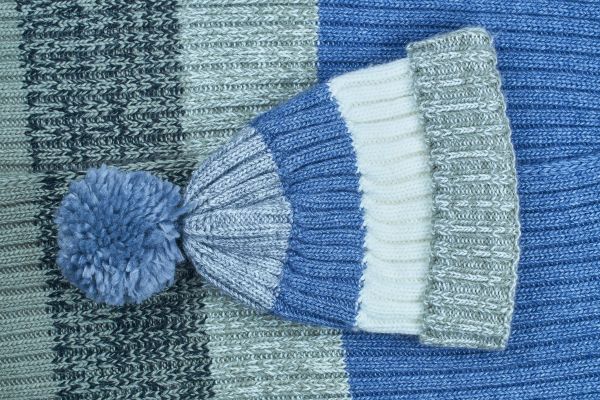
There is something quietly satisfying about knitting a hat. It is small enough to finish without losing patience, useful enough to wear often, and creative enough to feel personal from the first stitch to the final weave-in. Whether you are making a soft winter beanie, a textured slouchy hat, or a thoughtful handmade gift, knit hat patterns offer a perfect balance of comfort, style, and craft.
Unlike larger knitting projects that can feel endless, hats give quick results. You can experiment with color, shape, ribbing, cables, and different yarn weights without committing to weeks of work. That is part of their charm. A simple hat can be finished over a weekend, while a more detailed design can become a small canvas for learning new techniques.
Why Knit Hat Patterns Are So Popular
Knit hat patterns have stayed popular because they suit almost every kind of knitter. Beginners can start with basic ribbed or stockinette designs, while experienced knitters can explore lace panels, colorwork, cables, bobbles, folded brims, or shaping details. There is always another version to try.
Hats are also wonderfully practical. They do not require much yarn, which makes them a smart project for using leftover skeins from previous work. A single ball of chunky yarn can often become a warm winter hat. Finer yarns can create lighter, more delicate designs for autumn or spring. This flexibility makes hat knitting accessible, affordable, and endlessly adaptable.
There is also the gift factor. A handmade hat feels thoughtful without being overly complicated. It can be customized for a friend’s favorite color, a child’s size, or someone’s personal style. A plain charcoal beanie, a cream cable hat, or a bright pom-pom design all carry a different feeling, yet each one starts with the same simple idea: yarn, needles, and time.
Choosing the Right Yarn for a Knit Hat
The yarn you choose can completely change the look and feel of a hat. A simple pattern knitted in thick wool may feel rustic and cozy, while the same shape made in soft merino or alpaca can look polished and refined. For everyday hats, wool blends are often a good choice because they offer warmth, stretch, and durability.
Chunky yarn is ideal for quick projects. It creates a bold texture and works well for relaxed beanies or oversized winter hats. Worsted weight yarn is probably the most versatile option, especially for classic knit hat patterns. It gives enough structure for ribbing and stitch definition without becoming too heavy. DK or sport weight yarn creates lighter hats, often better for transitional seasons or more detailed stitch patterns.
Texture matters too. Smooth yarn shows cables, ribbing, and colorwork clearly. Fuzzy or fluffy yarn can be beautiful, but it may hide intricate details. If the pattern includes special stitches, a clean, even yarn usually helps the design stand out.
The Classic Ribbed Beanie
The ribbed beanie is one of the most reliable knit hat patterns for beginners and experienced knitters alike. It is simple, stretchy, and flattering on almost everyone. The ribbing allows the hat to fit comfortably without needing complicated shaping, and the finished look is timeless.
A basic ribbed hat is often worked in knit-one, purl-one or knit-two, purl-two rib. The fabric stretches easily, which makes sizing more forgiving. This is especially helpful if you are knitting for someone else and do not have exact measurements. A folded brim can add extra warmth around the ears, while a shorter brim gives a cleaner, more modern finish.
The beauty of a ribbed beanie is that it never really looks out of place. In neutral shades, it feels classic and practical. In bright colors, it becomes playful. With a pom-pom, it leans casual and cheerful. Without one, it feels simple and understated.
Slouchy Hat Patterns for a Relaxed Look
Slouchy hats bring a softer, more laid-back style to knitting. They usually have extra length in the body, allowing the fabric to fall gently toward the back. This shape works especially well with lightweight or medium-weight yarns because the fabric has enough movement to drape naturally.
A slouchy hat can be made with plain stockinette, seed stitch, moss stitch, or simple textured panels. The trick is balance. Too much stiffness can make the hat stand up awkwardly instead of slouching, while too little structure may cause it to lose shape. Choosing the right yarn and needle size makes a noticeable difference.
These patterns are perfect when you want something casual but not boring. A soft gray slouchy hat can feel quietly stylish, while a deep jewel tone adds richness without needing a complicated design. It is the kind of hat that looks effortless, even when there is careful knitting behind it.
Cable Knit Hat Patterns with Extra Texture
Cable knit hats have a traditional charm that never gets old. The twisted stitches create depth and movement, giving even a single-color hat a strong visual presence. At first glance, cables may look difficult, but many cable knit hat patterns are easier than they appear once you understand the basic technique.
A simple cable running up the front of a hat can make a plain design feel special. All-over cables create a thicker, warmer fabric, which is excellent for cold weather. Braided cables, rope cables, and honeycomb-style textures each bring a different mood to the finished piece.
Because cables pull the fabric inward, gauge becomes more important. A cable hat may need extra stitches compared with a plain stockinette hat of the same size. This is why checking the pattern carefully matters. Still, once the rhythm begins, cable knitting can be surprisingly relaxing. There is a lovely little moment every time the stitches cross and the design starts to appear.
Colorwork Hats for Creative Knitters
Colorwork knit hat patterns are perfect when you want to play with contrast and personality. Stripes are the easiest place to start. They can be bold, narrow, uneven, or subtle, depending on the colors you choose. Even a simple two-color stripe can make a basic hat feel fresh.
Fair Isle and stranded colorwork patterns add another layer of detail. Snowflakes, diamonds, stars, leaves, and geometric motifs all work beautifully around the crown or body of a hat. Since hats are small, they are a manageable way to practice colorwork without committing to a full sweater.
Color choice matters here. High contrast makes patterns stand out clearly, while similar tones create a softer, more blended effect. A cream-and-navy design feels crisp and traditional. Rust and gold feel warm and autumnal. Soft pink and gray can look gentle and modern. The same pattern can tell a completely different story depending on the palette.
Easy Beginner Knit Hat Patterns
For a beginner, the best knit hat patterns are simple, clear, and forgiving. A basic beanie worked in the round is a great starting point once you are comfortable with knit and purl stitches. If circular needles feel intimidating at first, some patterns are knitted flat and then seamed at the back.
A beginner-friendly hat usually avoids complicated stitch changes. Ribbing, stockinette, and simple decreases are enough to create a neat, wearable project. The crown shaping may seem tricky the first time, but it is mostly a matter of following the decrease rows carefully.
The first hat does not need to be perfect. Maybe the stitches are slightly uneven, or the seam is not invisible, or the crown looks a little gathered. That is fine. Handmade pieces carry those small signs of learning. The important thing is that the hat gets finished, worn, and understood. The next one will already be better.
Stylish Details That Make a Hat Stand Out
Small details can completely change a knitted hat. A folded brim adds warmth and a neat edge. A pom-pom gives the hat a fun, wintery feel. A faux fur pom-pom creates a slightly more polished look, while a yarn pom-pom feels handmade and playful.
Texture is another simple way to add style. Seed stitch, garter ridges, broken rib, basketweave, and twisted rib all create interest without making the pattern too difficult. Even changing the brim can make a familiar design feel new. A wide ribbed brim looks cozy and traditional, while a rolled brim feels soft and casual.
Color blocking can also make a hat more modern. A dark brim with a lighter body, or a contrasting crown, gives structure without requiring advanced techniques. Sometimes the best designs are not the most complicated ones. They are the ones where the proportions, yarn, and finishing details work together naturally.
Getting the Right Fit
A well-fitting hat depends on three things: head circumference, stretch, and length. Most hats are knitted slightly smaller than the actual head measurement because knitted fabric stretches. This is called negative ease. Without it, the hat may feel loose or slide upward.
The brim should sit comfortably without squeezing. The body should have enough length to cover the ears if warmth is the goal, or a little extra length if the hat is designed to slouch. Children’s hats need careful sizing because a small difference in circumference can affect the fit quite a bit.
Gauge is easy to ignore on small projects, but it still matters. A few extra stitches per inch can turn an adult hat into a child-sized one, or make the crown too tight. Taking a little time to check gauge can save frustration later, especially when working with fitted or patterned designs.
Finishing Your Knit Hat Neatly
The finishing stage can make a simple hat look polished. Weaving in ends carefully keeps the inside comfortable and prevents loose strands from showing. Blocking can help even out stitches, especially in lace, cable, or colorwork hats. It does not need to be dramatic. Sometimes a light steam or gentle shaping over a bowl is enough.
The crown deserves attention too. When the final stitches are pulled together, the yarn should be secure but not so tight that it puckers harshly. If a pom-pom is added, it should be attached firmly, especially on hats for children or everyday wear.
A handmade hat is often judged by its small details. Clean edges, even shaping, and tidy finishing give the piece a quiet confidence. It feels complete.
Conclusion
Knit hat patterns are loved for a good reason. They are practical, creative, and deeply satisfying to make. From a plain ribbed beanie to a richly textured cable hat or a colorful Fair Isle design, each pattern offers a chance to practice skill while creating something useful and personal.
The best part is that hats leave room for personality. You can keep them simple, make them bold, use soft neutrals, add bright stripes, fold the brim, skip the pom-pom, or try a new stitch just because it catches your eye. Every choice changes the final piece.
In the end, knitting a hat is not only about staying warm. It is about slowing down for a little while, working stitch by stitch, and turning a ball of yarn into something that carries care, style, and a bit of handmade character.